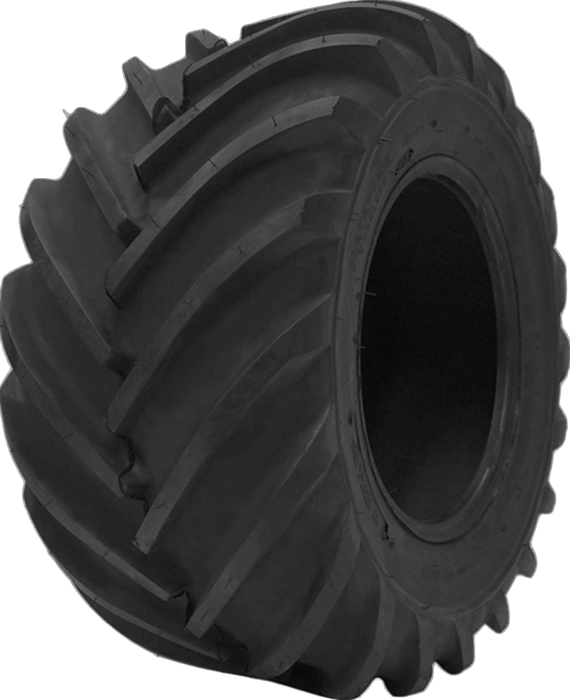

The short answer: there is no “best riding mower tire” — there’s the best tire for what your machine does all day. Flat lawn? A 4-ply turf tire like the Kenda K500, and the cheap option is genuinely fine. Hills, heavy attachments, or a zero-turn racking up hours? Same tread, 6-ply. Snow duty? A winter tread or chains. Garden work and pulling? A real lug. Match those and you’re done; everything below is the reasoning.
I’m not going to rank ten tires with scores out of a hundred — nobody mows with a spreadsheet. Instead, here’s the conversation I have at the counter, organized by the five jobs that actually walk through the door.
The whole answer in one table
Mows a flat lawn
- What I’d put on it
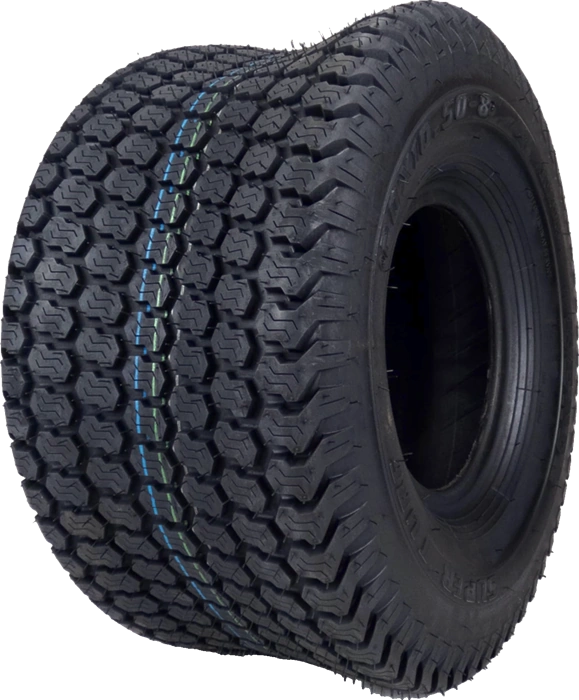
- Kenda K500 Super Turf, 4-ply
- The honest note
- The budget call is fine here. Don’t overbuy.
Mows hills or runs heavy
- What I’d put on it
- K500-class turf, 6-ply
- The honest note
- Same tread, tougher carcass. Fixes punctures and sidewall failures, not grip.
Zero-turn, lots of hours
- What I’d put on it
- 6-ply turf + better turning habits
- The honest note
- The habits matter more than the tire. Truly.
Plows or blows snow
- What I’d put on it
- K398 Polar Trac, or chains on your turfs
- The honest note
- Chains win on cost; the Polar Trac wins on cleanliness. Ballast first either way.
Garden plot, cart, real pulling
- What I’d put on it
- Deestone D405 Super Lug (AG rear)
- The honest note
- It will mark soft lawn. That’s the price of grip.
The flat lawn: don’t let anyone upsell you
If your machine mows a reasonably flat yard and does nothing else, your factory turf tread was the right answer and a straight replacement is the right buy. Ours is the Kenda K500 Super Turf in 4-ply — the tire we sell more of than anything in the building (the full family guide covers it). One of the most common factory rear sizes it comes in is 15x6.00-6, so if that’s your machine’s size, you already have a straight answer. Here’s the part a review site won’t tell you: for this job, premium rubber buys you almost nothing. A flat-lawn mower doesn’t stress a tire. Spend the difference on sharper blades; your lawn will notice those.
Hills, slopes, and machines that run heavy
Slopes and weight kill tires through the carcass, not the tread — sidewall flex, punctures, the day the loaded-down front corner meets a rock. The fix is the same turf pattern in 6-ply. And if you’re sliding on the slope rather than wearing tires out on it, that’s not a ply problem — that’s a tread problem, and the hill-yards comparison sorts out which one you have. Between grip and toughness, diagnose before you buy — it’s a different tire depending on the answer.
The zero-turn that eats rears
Zero-turn owners come in mad at their tires, and I have to break it to them gently: the machine’s pivot is doing the eating, and the fix is half tire, half operator. Go 6-ply on the rears for the slower wear, then read the zero-turn wear guide and learn the three-point turn — that habit is worth more than any tire I can sell you, and it’s free. I realize telling customers to buy less tire is a strange business model. It’s kept the phone ringing for twenty-two years.
Snow duty
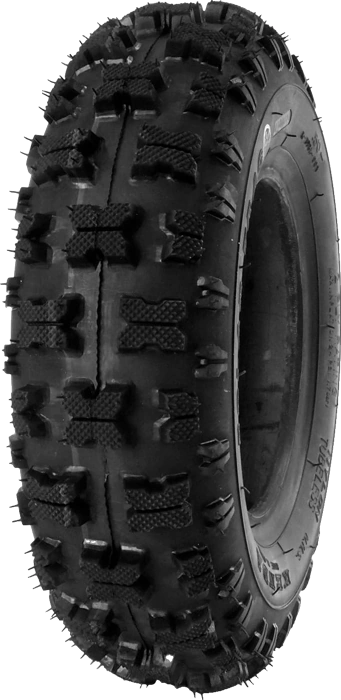
For plowing and blowing, the shelf answer is the Kenda K398 Polar Trac, a dedicated winter tread — best on a second set of rims you swap on for the season. The budget answer is chains over the turf tires you already own, and for a dozen plows a winter, the chains honestly win on value. Either way, ballast on the drive wheels does more than the rubber does. The chains-vs-snow-tires breakdown runs the full math by driveway type.
Garden work and pulling
When the machine tills, hauls, or works a food plot, turf tread spins where lug tread digs. The classic chevron here is the Deestone D405 Super Lug — an honest AG rear at a working price. In between turf and full lug there’s middle ground like Kenda’s K502 Terra Trac, a more universal tread for machines that split time between lawn and rougher duty without going full farm-tractor. The trade-offs — including what lugs do to a soft spring lawn — are laid out in the turf-vs-lug guide. Rule of thumb from the counter: buy for the ninety percent of what the machine does, not the ten percent you daydream about.
All of it — turf, winter, lug, and the middle children — lives on the mower tires page. From there, the fitment guides match tires to your exact machine, or if you already know the number stamped on your sidewall, browse straight by the tire size.
Common questions
Tires in this guide
Sold and shipped by Greater Cleveland Tire — from our Cleveland warehouse in one business day.
Flat-lawn pick
Snow duty
Garden & pulling